
|
Eager Space | Videos by Alpha | Videos by Date | All Video Text | Support | Community | About |
|---|

Welcome to eager space...
There are many people who dream of building companies to do interesting and useful things in space. But they run into a serious problem.
Even if you have the best idea ever and can create a great team, you aren't going to get very far without money.
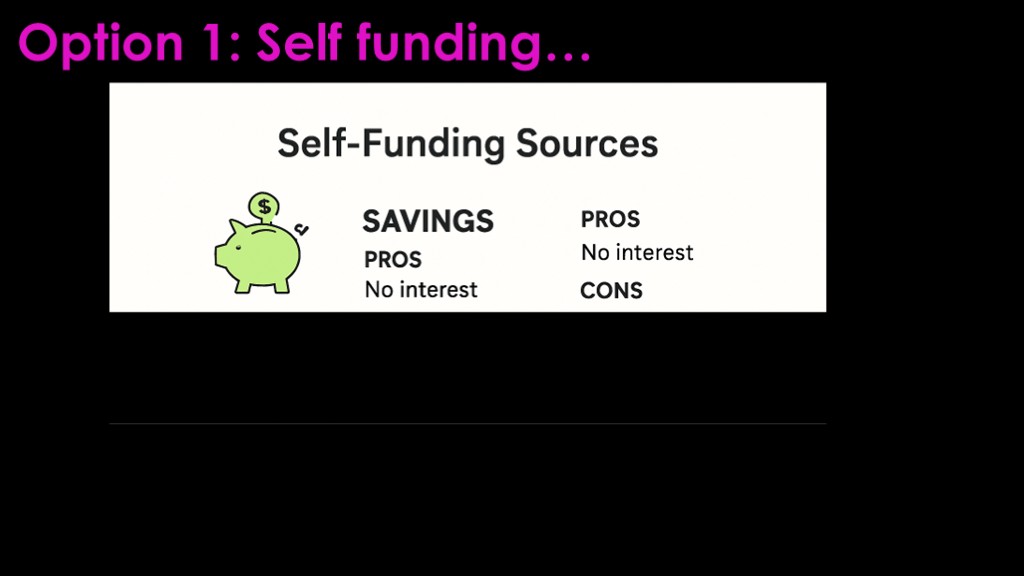
The first option to get money is self funding. You might use your savings, you might dip into your home equity, and you might use money in your retirement funds.

You can ask for money from your family and friends, assuming you like karaoke...
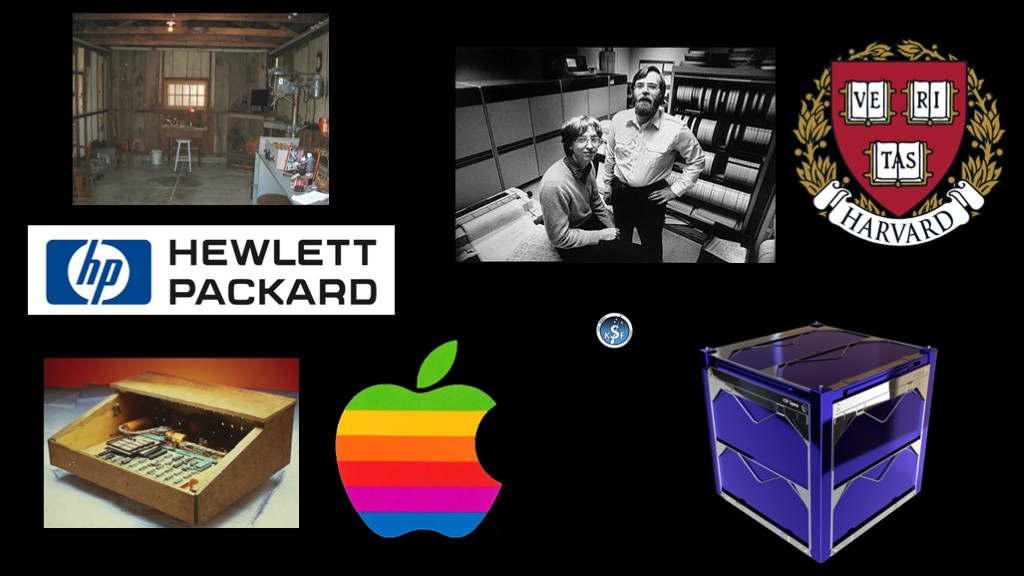
This approach has been a successful strategy for years. Hewlett Packard started in a garage, the Apple 1 had very humble beginnings, and Gates and Allen used a PDP-10 at Harvard to write their first software program. None of those required a large investment of cash.
In space, you can take a similar approach with cubesats though you are talking roughly $100,000 to get something into space - less if you can convince somebody like NASA to launch it for you - and that doesn't cover building or testing the thing. If you are wanting to deploy a real system, the costs are generally in millions and not small numbers of missions.
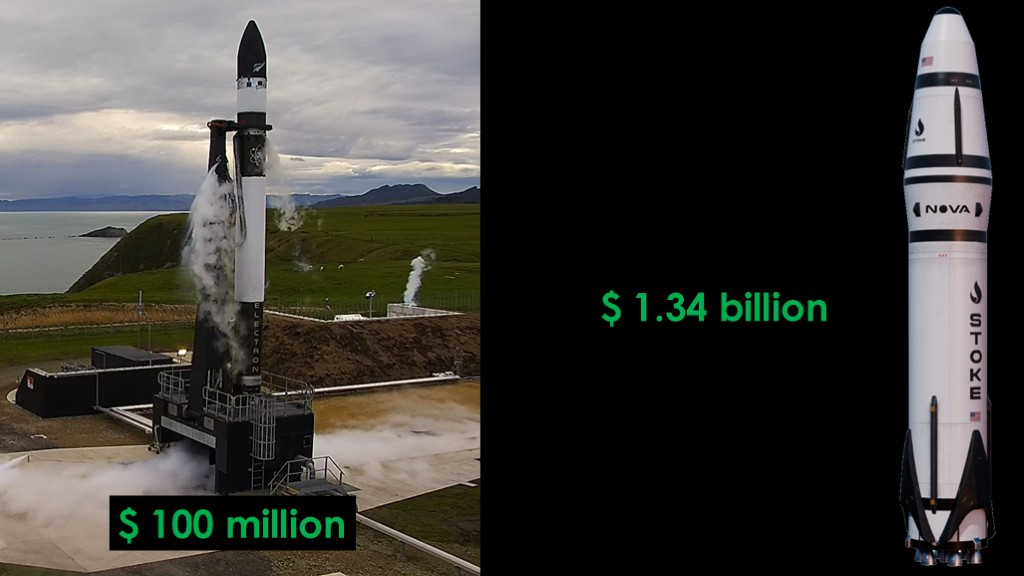
When you move to launch, even small rockets are going to cost you many millions.
Rocket Lab said "Less than $100 million" for their electron rocket and pad complex, but you can bet that it's not a lot less.
And a fully reusable rocket like Stoke Space's Nova is going to be using the "b" word when it comes to funding.
If you need more money - and in aerospace you pretty much always need more money - you are going to need to mortgage your future.
You will chop off some percentage of ownership in a company and send that to the investor, in return for money that the investor sends.
There are a few ways to do this.
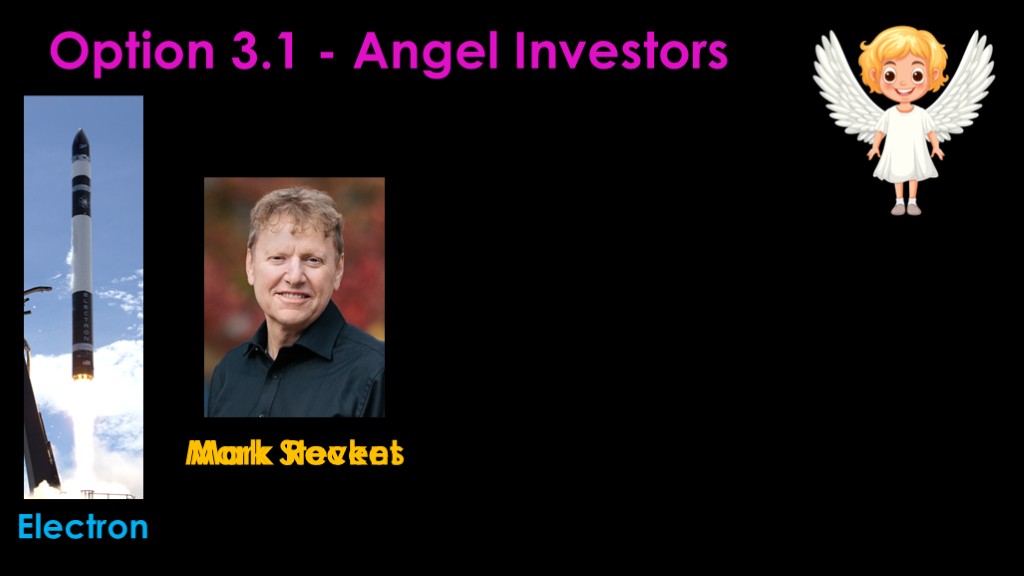
You might find an angel investor, somebody who will invest enough to get your company up and running.
Some of Rocketlab's early investment came from Mark Stevens, a man who was so into space that he changed his name to Mark Rocket
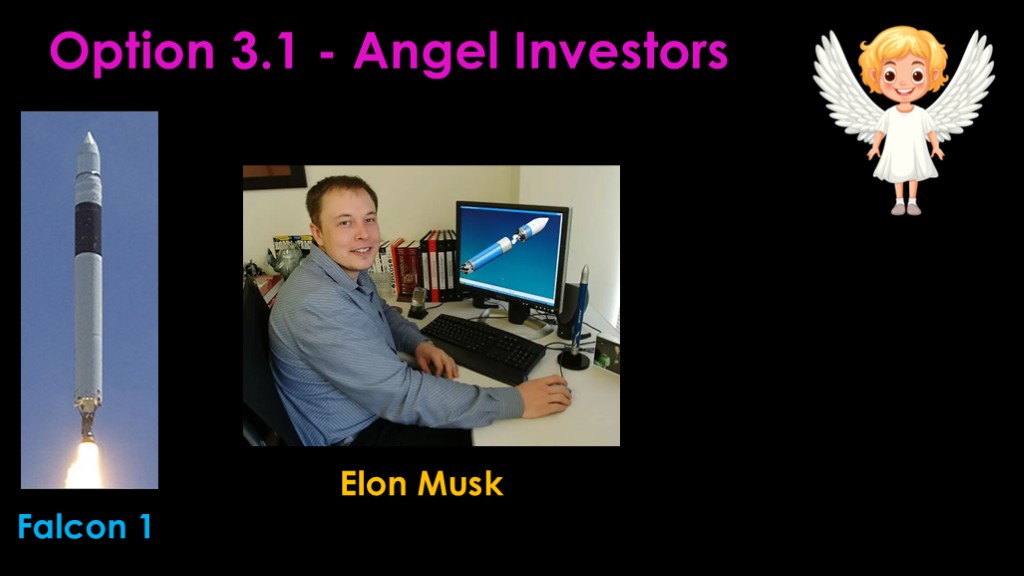
There is this guy named Elon Musk who funded a rocket named Falcon 1 out of the money he got when PayPal was acquired by eBay in 2002.
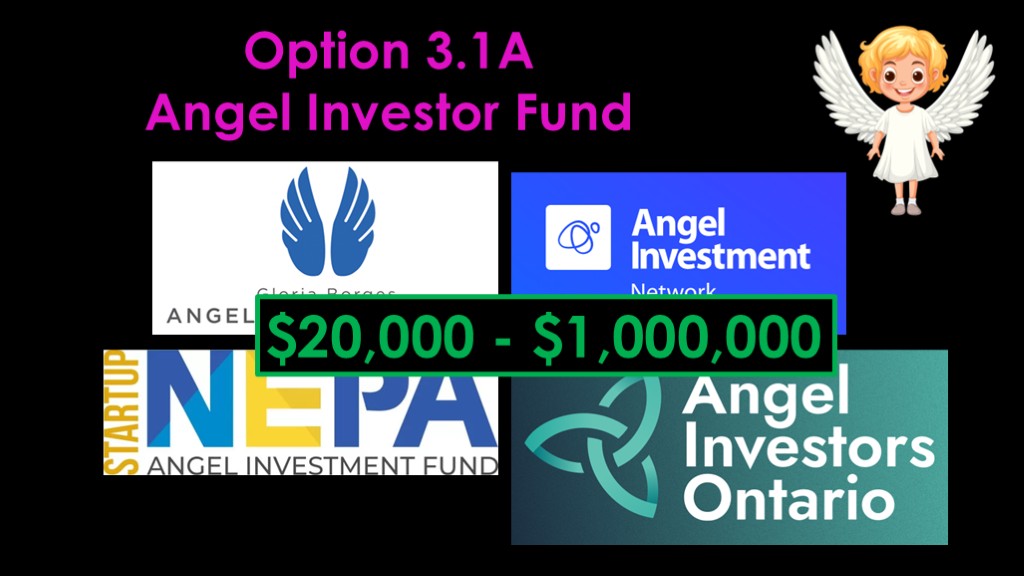
There are also angel investor funds, where investors pool their funds to make small investments in new ideas. These groups may also provide mentorship.
They do tend to invest small amounts - anywhere from $20,000 to $1,000,000. That makes them a poor fit for anything but the beginning stages of a space company as the amounts just aren't big enough.
At this point venture capital comes riding in on a horse to save the day.
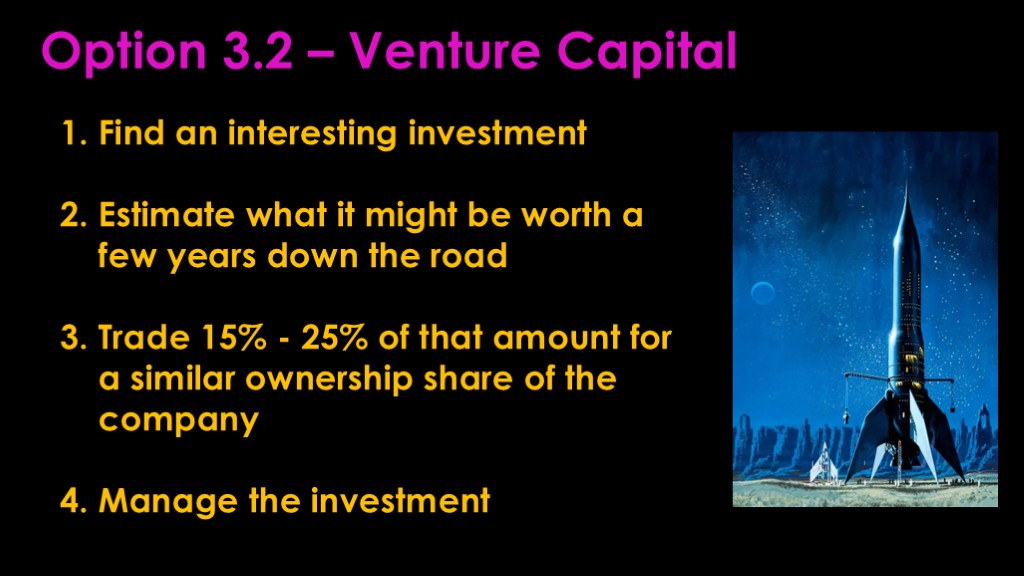
The venture capital model is pretty simple.
(read)
That last part is pretty important, because VC funds want more than equity.
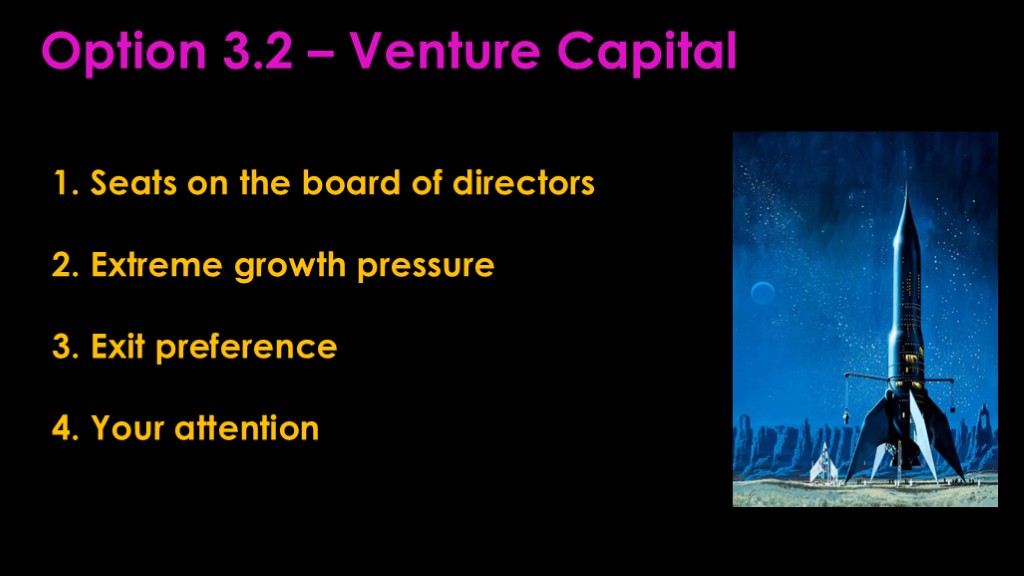
VCs typically get seats on the board of directors which means you no longer control your business or make all the day-to-day decisions.
Their management generally has extreme growth pressure - they are looking for some sort of exit in a 3 to 7 year window. And they are okay if that exit is dissolving the company or getting it acquired by some other company.
If the company is dissolved, acquired, or goes public, they generally get preferential treatment - they get paid first.
And finally, founders have to spend a lot of time doing what the venture capital funds want them to do - time that they can't spend running the company.
To summarize...
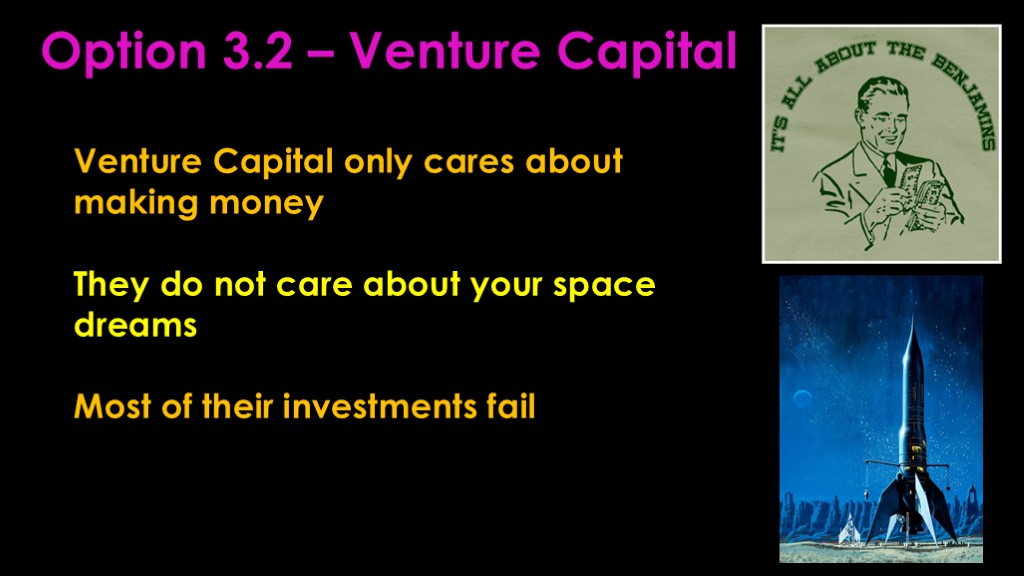
Venture capital only cares about making money. They do not care about your space dreams.
Most of their investments fail. They are expecting you to fail.
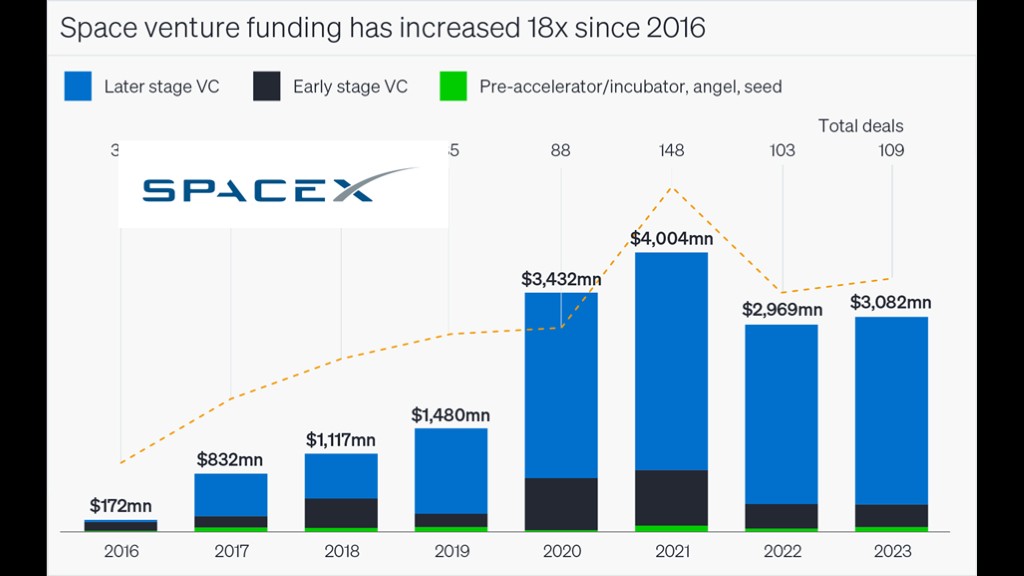
Venture capital investment in space follows broader trends - the success of SpaceX generated a lot of interest in space and a lot of funds were created and VC investment therefore went up.
If there's a lot of interest, you may find it easy to get investment. If there isn't, it may be nearly impossible.
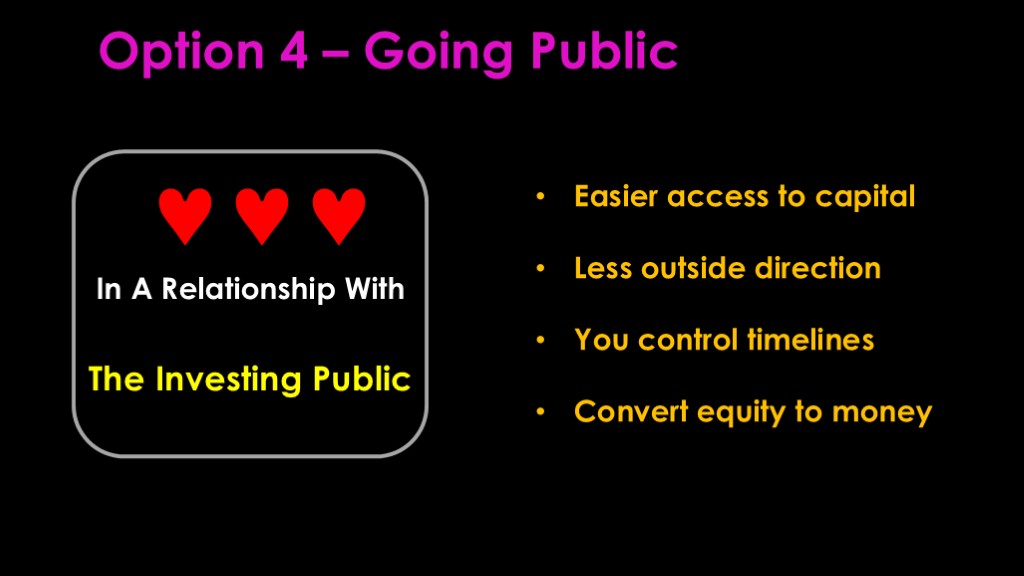
Which brings us to option 4 - going public.
Going public - having your stock traded on a major stock exchange - has a lot of advantages.
You can get easier access to capital, you don't have to deal with outside investors telling you what to do, and you control the timelines.
It also allows employees to convert equity to cash, and that can be a very welcome reward for years of work.
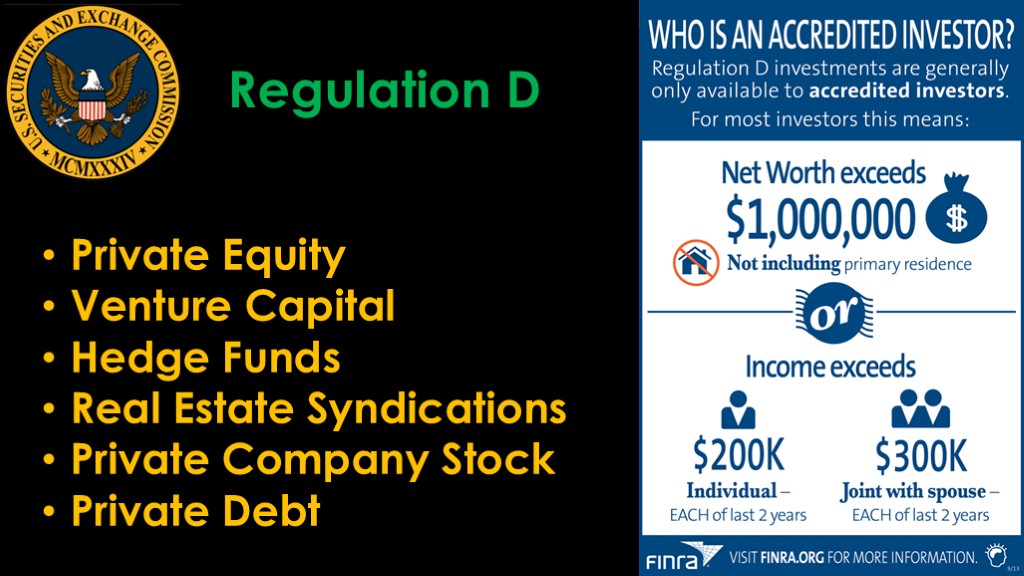
The other investment options we already discussed all fall under Regulation D, which is a part of the Securities and Exchange Commission rules that allow some companies to sell unregistered products.
To buy these products, you need to be an accredited investor, which means you need to have a net worth of $1,000,000 excluding your house or have had a large income for the last 2 years.
That limits the pool of people who might invest in your company to those who are - supposedly - better equipped to understand the risks and deal with the consequences, but it also keeps certain investments limited to a specific class of people.
All this goes away when you go public - anybody can set up a brokerage account and buy your stock.
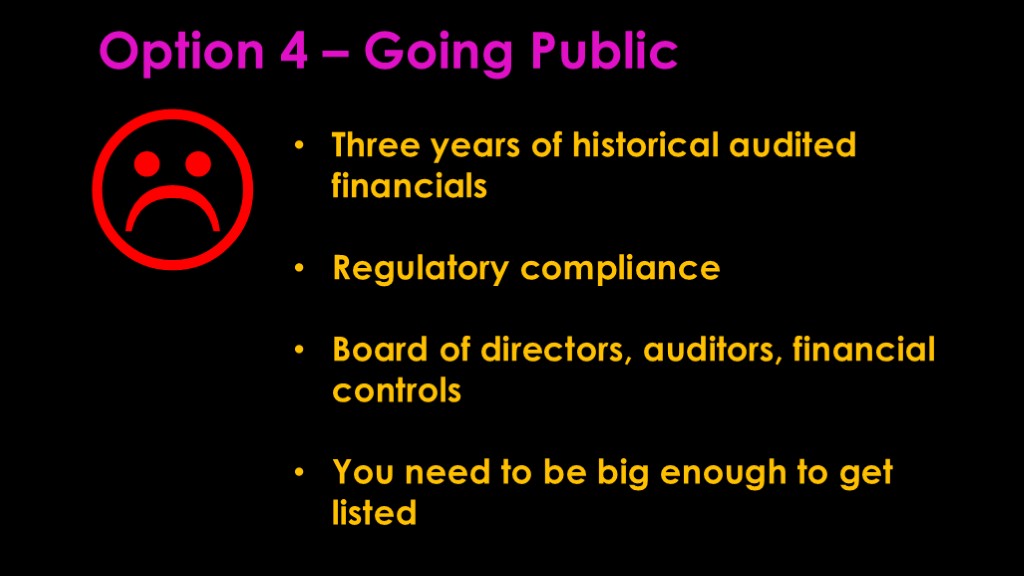
There are, however, big barriers to going public.
You need to provide three years of historical audited financials.
You need to file detailed registration statements that detail business operations, management structure, and risk factors.
You need to set up an independent board of directors, an audit committee, and strict financial controls.
You need to be big enough to get listed on whatever exchange you want - usually NASDAQ for space companies.
These make a conventional initial public offering - or IPO - a non-starter for most companies.
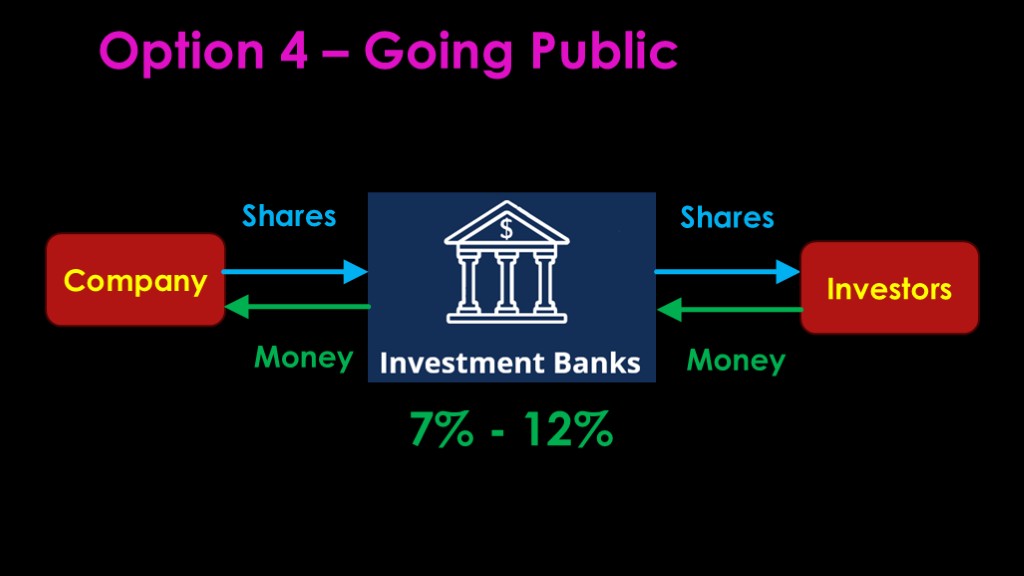
A traditional IPO is managed and coordinated by an investment bank. The investment bank does valuation, organizes presentations where the company markets stock to institutional investors, and figures out the final IPO price per share.
The also handle the actual transaction - buying shares from the company and then selling those shares to the investors.
For this service, the investment bank charges 7 to 12% for a $100 million IPO.
Investment banks *love* IPOs. Like the venture capital firms, they are guaranteed to make money on the deal.

If you aren't able to go the usual IPO route, there is an alternative invented back in the 1980s known as a special purpose acquisition company, or a SPAC. It's a way to sidestep many of the normal IPO regulations.
A spac company is created and some initial investors put money into it. It then goes public through the usual IPO process, which is very simple because the company doesn't actually do anything - it has no products and no revenue. It's a shell company that just holds money.
During this IPO process, investors buy the stock of the company. That gives the SPAC a lot of capital
The SPAC company then dates other companies looking for funding, in search of a compatible match.
Let's look at an example.
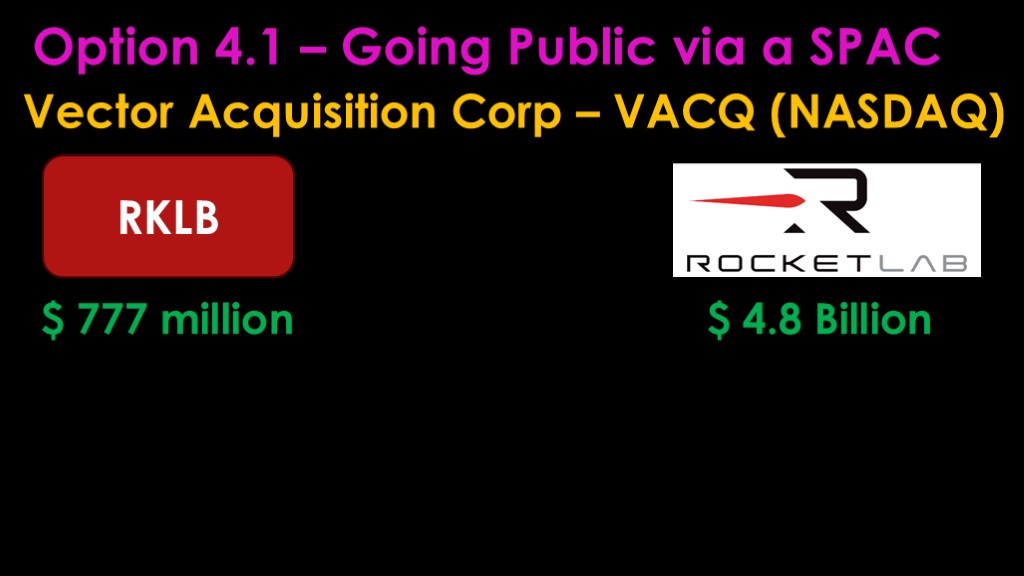
Vector acquisition corp was created and did an IPO, resulting in them being listed as VACQ on the NASDAQ stock exchange.
They ended up identifying rocketlab as a target that met their criteria. The spac chose rocketlab among other opportunities and rocketlab chose this particular spac because they believed it was the best deal for them. This is the same dance that happens between VC funds and private companies.
The company was valued at $4.8 billion and rocketlab gained $777 million in cash as part of the transaction.
They then execute what is called a "de spac merger", where rocket lab takes over the SPAC corporate structure, renames the stock to something better, and is now a public company.
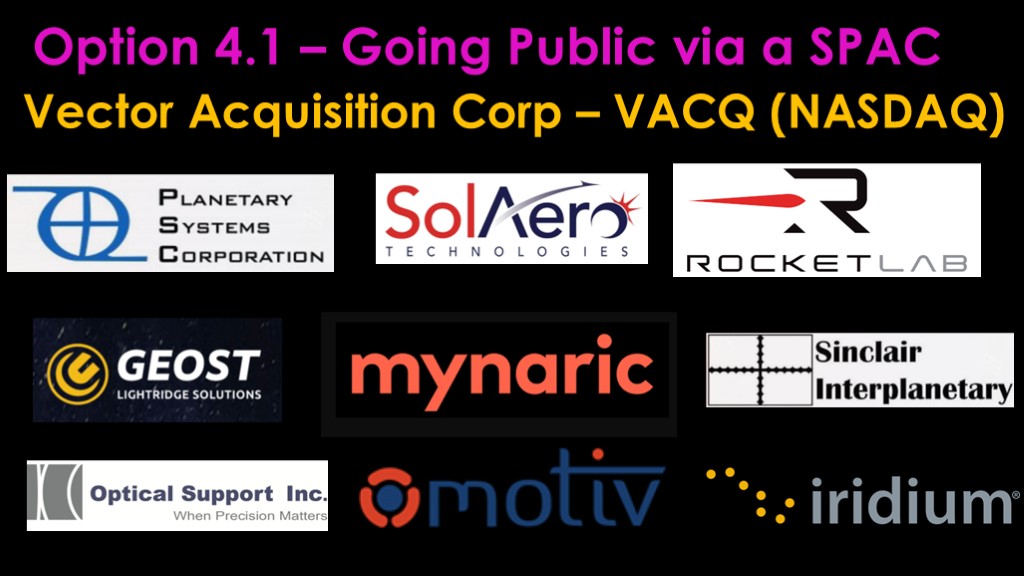
Rocket lab used that money not only towards neutron but to acquire a number of other companies.
They acquired planetary systems corporation, a manufacturer of separation systems and satellite dispensers in 2021
They acquired satellite solar power company SolAero in 2022
They acquired electro-optical and infrared sensing company Geost in 2025
They acquired laser communications company Mynaric in 2026
They acquired custom high-precision optical and mechanical instrument systems company Optical Support in 2026
They acquired robotic arm company Motiv Space systems in 2026
This was on top of the acquisition of spacecraft hardware manufacturer Sinclair interplanetary in 2020 before they went public.
And they just announced that they are acquiring the existing satellites constellation company iridium.
Going public with a SPAC provided Rocket lab with enough capital to diversify from a company that was mostly about launch into one that can build full spacecraft and already has a constellation.
My personal opinion is that this was a very savvy move on their part. I do note that I have a small investment in rocket lab stock.
My general impression was that Rocketlab was an exception and that most of the space spac companies had not done very well.
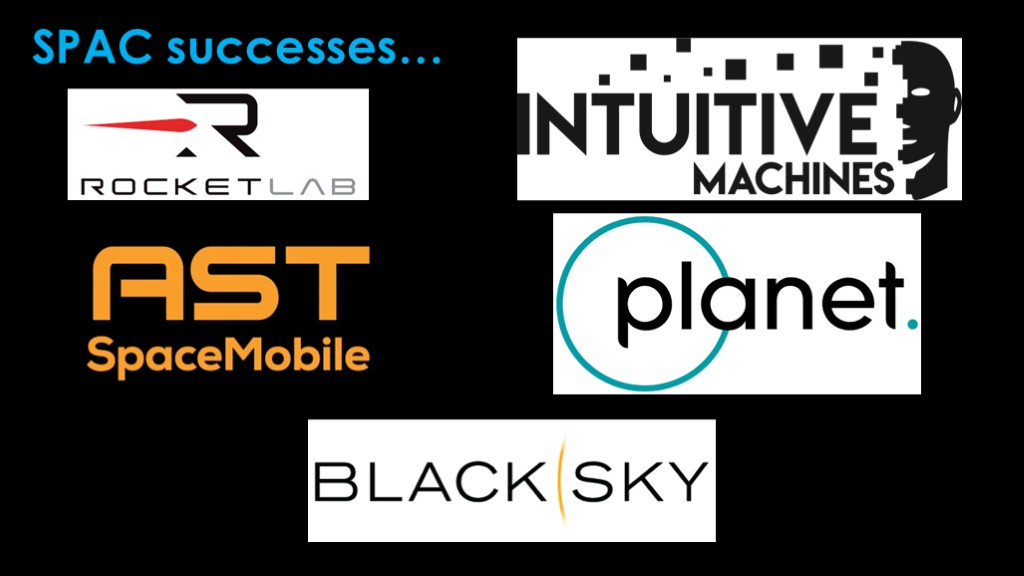
But it turns out I was a big pessimistic...
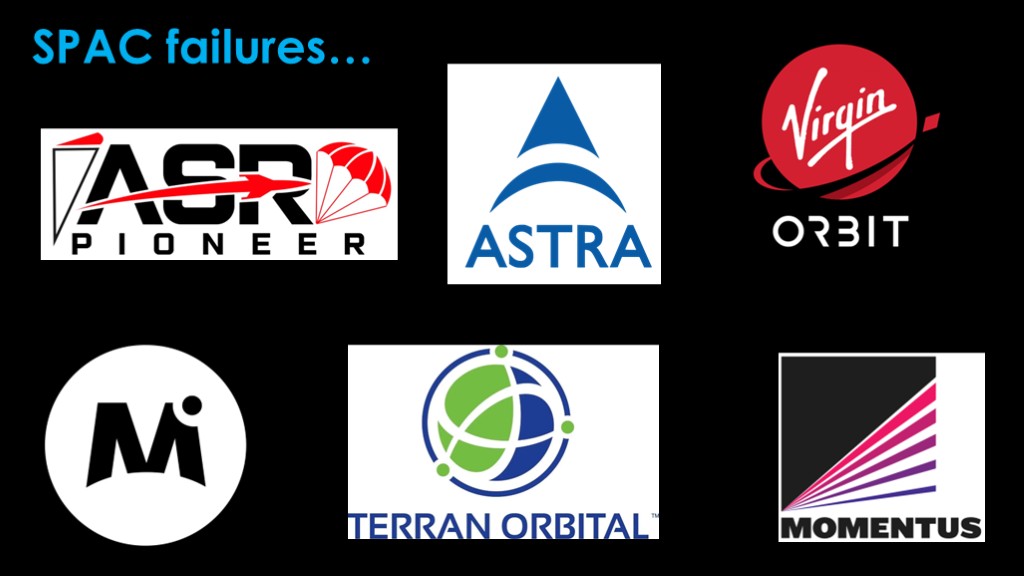
And there have been some other companies that went SPAC and didn't do as well as they hoped.
It's been roughly 50/50 for the companies I looked at, which is a pretty good result for startups.
My personal investment requirement is that I understand the business that companies are in and where they expect to be successful, and that's especially true for SPACs because there is less regulatory oversight and the companies have less of a track record than companies that go through the normal IPO process.
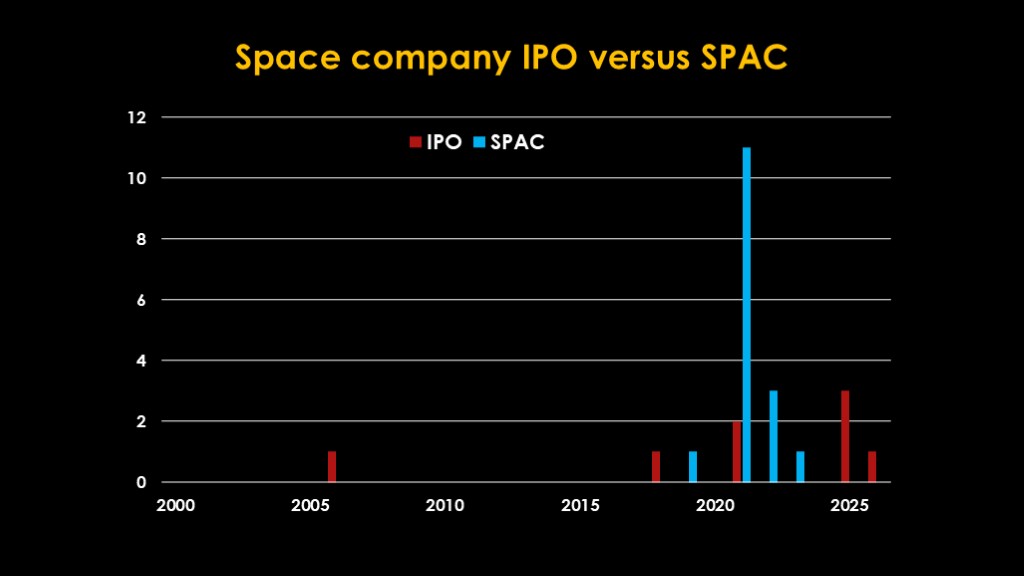
Here's a quick chart showing both IPO and SPAC for space companies.
The big spike in SPAC comes at the same time the big spike in VC investment in space companies showed up. You can see that IPOs are pretty rare.
Like VC investments, the SPAC route only happens when there is an investment team interested in your company, and that happens when there is overall interest in your sector.
You can't use SPAC without that interest.
And that concludes the guide to financing your space company.
Today's song is Dreamer by Supertramp off their 1974 album, Crime of the Century
https://www.youtube.com/watch?v=B885n08hOmw